
When you plan to move to Ghana all you read online is how welcoming Ghanaians are which is true. But most expats and foreigners find Some Ghanaian cultural values shocking which leaves them wondering if they made the right choice.
Of course relocating to a new country is always an adventure, and Ghana is no exception. Are you planning a trip to Ghana or relocating to the dubbed name “The Gateway to Africa?” It is better to be well informed about a foreign country so you won’t be surprised. I’m not saying you won’t have a mix of cultural experience even after reading this post but at least you will be informed. Let’s get to it, one by one
-
Haggling and Bargaining Habits
Ghanaian markets are a kaleidoscope of colors and sounds, with bustling stalls offering an array of goods from vibrant textiles to handmade crafts. If you weave through the lively atmosphere of markets like Makola in Accra or Kejetia in Kumasi, be prepared to engage in the age-old tradition of haggling. Vendors expect customers to negotiate prices, and it’s not just a transactional activity but a cultural dance. For instance, when purchasing a beautifully woven beach hat, the initial price quoted, say 5GHC is often viewed as a starting point for friendly banter. The key is to approach it with a sense of humor and an open mind, as haggling is an art form that fosters a sense of community and camaraderie among buyers and sellers. I will say almost everything in Ghana is negotiation. If you know the tricks, you will get away with a lot in your favor.
Read also: How To Not Fail In Ghana As African Diasporan Or A Westerner
-
Dollar-Driven Economy
Navigating the cost of living in Ghana involves understanding the dynamics of a dollar-driven economy. The exchange rate plays a significant role in determining expenses, particularly when it comes to accommodation. Most landlords price their properties in dollars but accept local currency equivalents. In Accra, the choice of a neighborhood can greatly influence rent prices. Areas catering to expatriates, such as East Legon or Cantonments, have higher rents due to their amenities and proximity to international schools. On the other hand, less desirable neighborhoods like Nima, Chorkor or Ashiaman offer more affordable options, providing a glimpse into the daily lives of locals.
-
Layback and Smiling People
Ghanaians are renowned for their warm hospitality and approachability which appeal to foreigners, African descent diaspora, and expats in the country. Whether you’re navigating the narrow alleys of Jamestown in Accra or exploring the historic sites in Cape Coast, you’ll encounter locals who are willing to share their stories and extend a welcoming hand. This inherent friendliness often translates into a laid-back attitude toward life, encouraging a sense of patience and understanding. Embracing this cultural trait allows you to integrate seamlessly into the community, fostering meaningful connections and enriching your overall experience.
Read also: What Are Dos and Don’ts in Ghanaian Traditions and Culture?
-
The Food is a Shocker
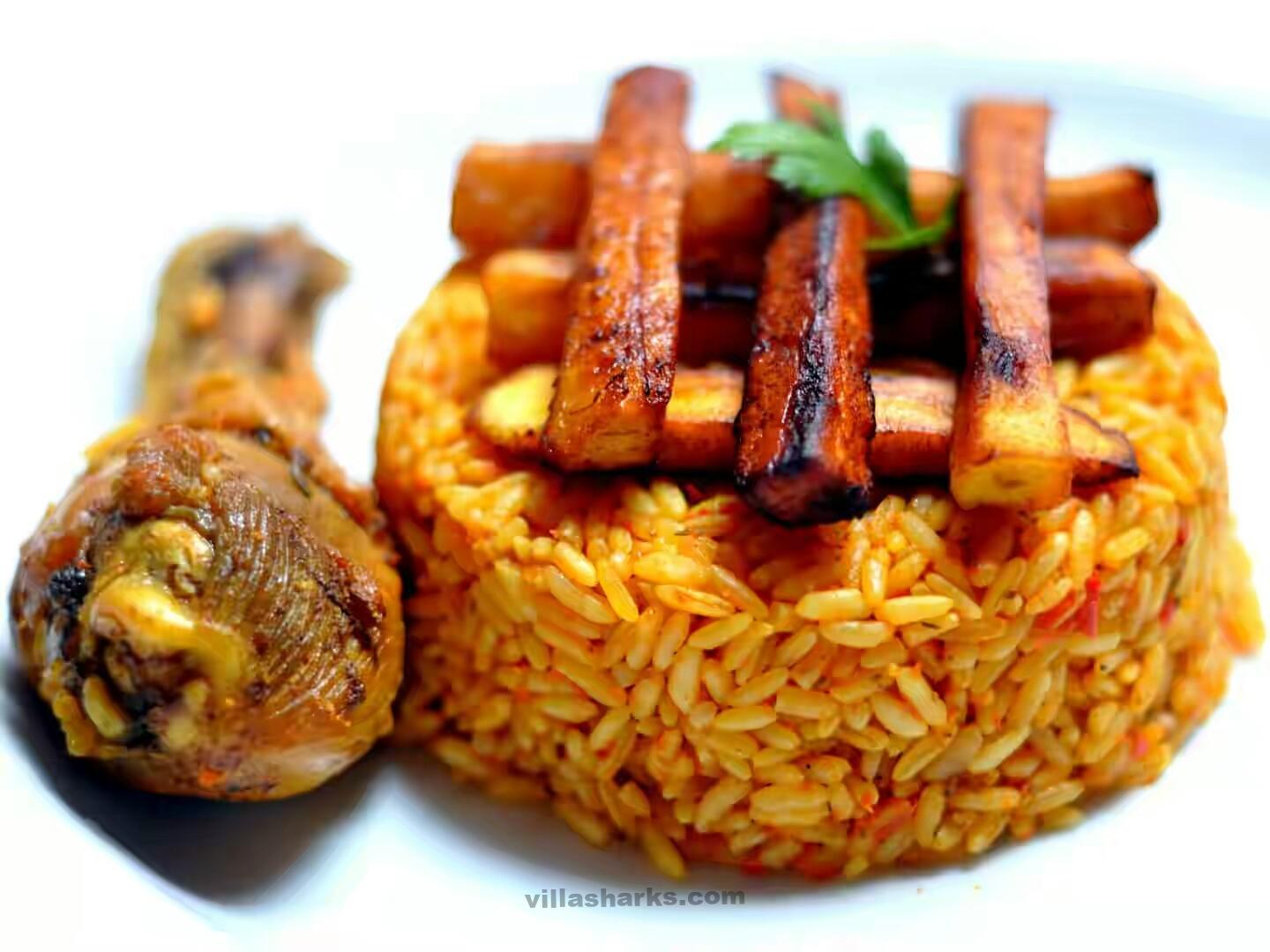
Ghanaian cuisine is a delightful shock to the palate, offering a rich taste and flavors. From the iconic jollof rice, a savory rice dish cooked with tomatoes and spices, to waakye, a unique one-pot dish featuring rice and sorghum leaves, the food scene is a gastronomic adventure. Fufu, a starchy side dish made from tubers like yam or coco yam, cassava or plantains, is a staple often enjoyed with soups or stews. The tactile experience of eating fufu with your hands, and diving into the communal bowl with fellow diners, adds a social dimension to meals. To truly savor these culinary delights, venture to local eateries like Asanka Local Restaurant in Accra or Kejetia Kitchen in Kumasi, where authenticity and tradition converge on your plate.
Read also: Why do Americans leave their luxurious life and move to Ghana?
-
Their Pastries Are Not Great
While Ghanaian cuisine excels in savory dishes, the realm of pastries may not match the standards of some Western counterparts. If you’re accustomed to the flaky perfection of croissants or the sweetness of European pastries, you might find the local pastries less appealing. However, this presents an opportunity to explore and appreciate the unique desserts and snacks that hold a special place in Ghanaian hearts. From the chewy and flavorful bofrot (doughnuts) to the crunchy texture of chinchinga (kebabs), the local sweet treats offer a distinctive culinary experience that may surprise and captivate your taste buds.
-
Sizeable Number of White People
Ghana’s increasing popularity as a destination for expatriates has resulted in a sizeable and diverse expat community. Areas like Osu, and East Legon in Accra attract expats from various corners of the globe, contributing to a multicultural environment. This melting pot of cultures not only enriches the social fabric but also provides opportunities for cross-cultural interactions.
Read also: Home improvement in Ghana: 8 ways to save Domsor energy bills
-
Very Polite
When I was a kid, we were taught to say, “please” or “thank you”. Politeness is a cornerstone of Ghanaian culture, influencing interactions from casual encounters on the street to formal business transactions. Greetings are given special attention, with phrases like “Akwaaba” (welcome) and “Me daase” (thank you) serving as expressions of respect. It’s common to address elders with their appropriate titles, reflecting the importance placed on age and wisdom. I understand you are reading this post to understand Ghanaian culture, i won’t hesitate to give you tips: Ghanaian-like titles.
-
English is Well Spoken Everywhere
English is the official language of Ghana, and its proficiency is widespread across the country. Whether you’re in the cosmopolitan hub of Accra or exploring the cultural heritage of the Ashanti Region in Kumasi, you’ll find that English is spoken with ease. This linguistic commonality facilitates communication for English speakers, easing the transition into daily life and allowing for meaningful interactions with locals. From conducting business transactions to navigating public transportation, the prevalence of English simplifies many aspects of daily life for expatriates and visitors alike. French is hardly spoken in Accra. That doesn’t mean you won’t find French-speaking Ghanaians. I would say 1 in 10 people.
-
Local Language Twi
While English is widely spoken, making an effort to learn and use some phrases in the local language like Twi, can deepen your connection with the Ghanaian culture. Most Ghanaians speak Twi but the majority do. Simple greetings or expressing gratitude with “Medaase” can go a long way in fostering rapport with locals. Learning a bit of Twi not only showcases your cultural appreciation but also elicits smiles and positive responses from the community. Let’s say you are a local market or shop in Accra, when locals notice you can’t speak the local Twi, they may want to take advantage of you to hike the price. It happens everywhere in the world. Before Uber, I had an unforgettable experience with taxi drivers traveling in Europe.
-
Beautiful Beaches
If you are not aware let me inform you, that Ghana’s coastline is adorned with some of the most breathtaking beaches in West Africa. From the lively atmosphere of Labadi Beach in Accra to the serene beauty of Busua Beach in the Western Region, the coastal landscapes offer a perfect escape. Embrace the laid-back beach culture, where locals and tourists alike gather to enjoy the sun, sea, and sand. Whether you’re exploring the Cape Coast or relaxing in Axim, the stunning beaches of Ghana provide a picturesque backdrop for relaxation and adventure.
Read also: BLAXIT GUIDE: MOVING TO GHANA AS AFRICAN AMERICAN
-
Eat with Your Fingers
Dining in Ghana is a tactile experience, particularly when enjoying traditional dishes like fufu and banku. The cultural norm encourages eating with your fingers, a practice that might initially seem unconventional to newcomers. Embrace this sensory approach to dining, as it not only enhances the flavors of the food but also connects you with the communal spirit of sharing meals. Engage in the ritual of breaking off a piece of fufu and dipping it into a flavorful soup or stew, savoring the unique blend of tastes and textures that define Ghanaian cuisine. Dining becomes a social affair, fostering a sense of unity and camaraderie as you share the communal bowl with friends and family. Friends like dining together in local eating joints called “Chopbar.” Don’t be surprised if you are been invited for lunch.
And there you have it. Was it helpful? Do share with your network. It might help someone.

