

Have you ever had someone explaining to you the property taxes in Ghana for the first time? I have been there. The landscape of taxes related to property transactions in Ghana is diverse and multifaceted. Each tax, from Value Added Tax and Capital Gains Tax to Rental Income Tax, Property Tax, Property Transfer Tax, and Stamp Duty, plays a unique role in the overall framework of real estate dealings. If you are reading as a buyer or a seller, you must navigate these tax considerations with diligence and understanding to ensure transparent, legally sound, and financially optimized property transactions in Ghana. Let’s get the party started.
Value Added Tax (VAT)
Value Added Tax (VAT) is a significant component of property transactions in Ghana, particularly affecting commercial real estate such as hostels, motels, and hotels. This tax is designed to capture a percentage of the overall value added at each stage of the supply chain. In the context of real estate, VAT becomes applicable when these commercial properties change hands, either through sale or transfer.
Calculation
The calculation of VAT on property transactions involves applying a 5% tax rate to the sale price. However, parties involved can alternatively use the real property value, whichever is higher, as the basis for determining the VAT amount. This provides a degree of flexibility in the transaction process.
Who pays
The responsibility for paying VAT falls on the seller. This implies that the seller needs to factor in the 5% VAT when determining the total transaction cost or sale price of the property.
Implications
For sellers, navigating the VAT landscape is crucial to ensuring compliance with tax regulations. Failing to account for VAT appropriately can lead to financial discrepancies and potential legal issues. Therefore, sellers must be diligent in calculating and disclosing the VAT component in property transactions to avoid any complications.
Read also: The Process of Buying and Registering a House in Ghana
Capital Gains Tax
Capital Gains Tax is a tax imposed on the profit realized from the sale of a property. This tax aims to capture the financial gains accrued by individuals or entities when selling real estate. It is an essential consideration in property transactions, affecting the overall profitability of the seller.
Calculation
The calculation of Capital Gains Tax involves applying a 15% tax rate to the net capital gain. The net capital gain is determined by subtracting the acquisition cost (the initial cost of purchasing the property) from the sale price. This ensures that the tax is levied on the actual profit generated from the transaction.
Who pays
The onus of paying Capital Gains Tax lies with the seller. It is a critical aspect of financial planning for individuals or entities intending to sell real estate, as failure to comply with this tax can lead to legal repercussions.
Implications
For sellers, understanding the intricacies of Capital Gains Tax is paramount for accurate financial planning. Failing to account for this tax can result in unexpected financial losses and potential disputes with tax authorities. Consequently, sellers should engage financial professionals to ensure compliance with Capital Gains Tax regulations and optimize their financial outcomes in property transactions.
Rental Income Tax
Rental Income Tax is a tax levied on the rental income generated from a property. This tax impacts property owners who derive income from renting out their real estate, and its rate varies depending on the nature of the property.
Calculation
The calculation of Rental Income Tax involves applying different tax rates based on the type of property. For residential properties, the tax rate is 8% of the rental value, while non-residential properties face a higher rate of 15%.
Who pays
The property owner bears the responsibility for paying Rental Income Tax. This tax is an essential consideration for property owners engaged in renting out their real estate.
Implications
Understanding the implications of Rental Income Tax is crucial for property owners engaged in rental activities. Compliance with this tax ensures that property owners fulfill their fiscal responsibilities and avoid potential legal issues. Moreover, incorporating Rental Income Tax into financial planning allows property owners to accurately assess the profitability of their rental ventures and make informed decisions about their real estate investments.
Read also: 12 STEPS TO BUYING & REGISTERING YOUR FIRST LAND IN ACCRA
Property Tax
Property Tax is an annual tax assessed on the value of a property. It serves as a means for local authorities to generate revenue for public services and infrastructure development. The rate of Property Tax varies based on the location of the property.
Calculation
The calculation of Property Tax involves applying a percentage (ranging from 0.5% to 3%) to the assessed value of the property. The assessed value is determined by the relevant local authorities and reflects the estimated market value of the property.
Who pays
Property owners are responsible for paying Property Tax. This tax is a recurring obligation that property owners must fulfill to contribute to the funding of local public services and amenities.
Implications
For property owners, understanding the local Property Tax rates and complying with the annual payment obligations is essential. Failure to pay Property Tax can result in penalties and legal consequences. Additionally, Property Tax is a consideration for individuals or entities looking to invest in real estate, as it adds to the overall cost of property ownership and should be factored into financial planning.
Read also: 7 Best Places in Ghana to Buy Your Dream Home
Property Transfer Tax
Property Transfer Tax is a tax levied on the transfer of property or real estate transactions. This tax is applicable when ownership of a property changes hands, typically during a sale.
Calculation
The calculation of Property Transfer Tax typically involves applying a percentage, ranging from 5% to 10%, to the property value or sale price. This tax is a one-time payment made by the buyer during the property acquisition process.
Who pays
The responsibility for paying Property Transfer Tax lies with the buyer. This tax is a key consideration for individuals or entities entering into property transactions.
Implications
Buyers need to be aware of the financial implications of Property Transfer Tax when planning for property acquisitions. This tax adds to the overall cost of purchasing real estate and should be factored into budgetary considerations. Understanding the specific rates applicable in a given jurisdiction is crucial for accurate financial planning and compliance with tax regulations.
Read also: Accra Real Estate: First-Time Home Buyers in Ghana Tips
Stamp Duty
Stamp Duty is a tax imposed on property transfers and various legal documents associated with real estate transactions. It is a form of tax collected on documents to make them legally valid.
Calculation
The calculation of Stamp Duty involves applying a percentage, typically ranging from 0.25% to 1%, to the value of the property. This tax is applied to various legal documents, including sale agreements, deeds, and other documents related to property transactions.
Who pays
The responsibility for paying Stamp Duty lies with the buyer. This tax is an essential consideration during the documentation process of property transactions.
Implications
Buyers must be mindful of the Stamp Duty obligations associated with property transactions to ensure legal compliance. Failing to pay Stamp Duty can result in the invalidation of legal documents, potentially leading to legal disputes and complications. Therefore, buyers should work closely with legal professionals to accurately determine the applicable rates and fulfill their Stamp Duty obligations.
And there you have it. Was the post helpful? Did you learn something new? Feel free to share to someone, for sharing is caring.
Now Selling Fast! Become A Homeowner In A Greenery & Solar Gated Community Kwabenya, Accra

Imagine Seeing Your Kids Running Around On Playground With Their Friends In The Safety Of This Greenery And Lush Landscape Beautiful, Gated Community. How Comfortable And Refreshing Will That Be? Exactly!
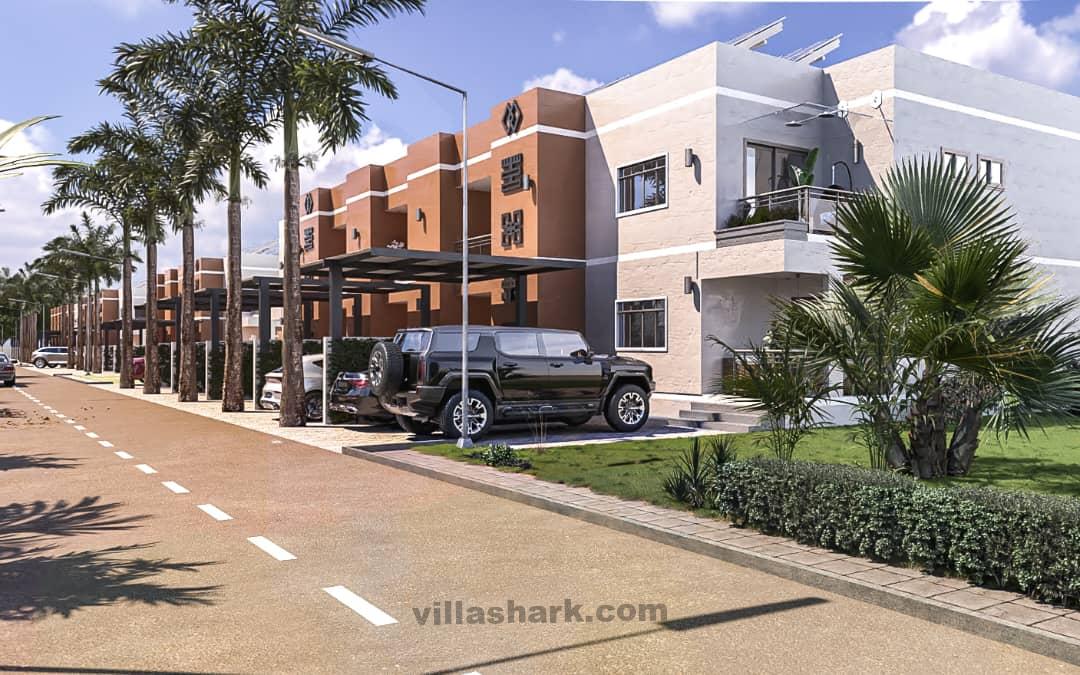
Are you a foreigner considering investing in Ghana’s real estate market? Or are you African diaspora planning to buy your dream home in Accra, Ghana? We would love to connect and serve you. Buying your dream home in a new development project by a real estate developer gives you flexibility with regard to payment plans to choose from. You don’t have to go through all that stress to get building permits and regulations checked. We have done all the hard work. Your only job is to own it by reserving your home now. Get in touch with us today, tomorrow might be too late.


