
- South Africa
- Ghana
- Mauritius
- Rwanda
- Botswana
- Namibia
- Senegal
- Tanzania
- Kenya
- Zambia
- Uganda
- Ivory Coast
- Nigeria
- Ethiopia
- Egypt
- Tunisia
- Angola
Are you a Westerner or African diasporan or African American thinking of relocating to one of African countries but wondering which African country is the best to live in? No worries, this post will give you a gist about the most friendly and safest country in Africa to live in so you can make an informed decision.
African countries are the best place to retire early compare to the western countries where the cots of living is high when your paycheck ceases coming in after you retired. Each country in this post has their uniqueness. Spoilers alert, Angola made it in the list, however, Luanda the capital is dubbed as the world most expensive city for expats. To set the stage, let’s dive in.
South Africa

Cost of Living: South Africa offers a diverse range of living costs. While major cities like Cape Town and Johannesburg may have a higher cost of living, smaller towns provide a more affordable lifestyle. The overall cost of living is moderate, with expenses like groceries, transportation, and entertainment being reasonable.
Read also: BEST 10 AFRICAN COUNTRIES TO INVEST IN REAL ESTATE
Housing: Rental costs vary across South Africa. In cities, a one-bedroom apartment can range from $300 to $600 per month, while a four-bedroom apartment may cost between $600 and $1,200. Affordable housing options are available in suburban areas, making it an attractive choice for expatriates seeking diverse cultural experiences.
Why South Africa: The country boasts a rich cultural tapestry, stunning landscapes, and a well-developed infrastructure. With a mix of urban and rural living options, South Africa appeals to those seeking affordability without compromising on amenities. Job opportunities and a relatively stable political environment contribute to its popularity among expatriates.
Ghana

Cost of Living: Ghana maintains a moderate cost of living. Everyday expenses such as food, transportation, and utilities are generally affordable. The country’s stable economy ensures a reasonable standard of living for residents and expatriates alike.
Read also: 8 REASONS WHY WESTERNERS SHOULD CONSIDER RETIRING IN GHANA
Housing: Rental prices in Ghana vary based on location. In Accra, a one-bedroom apartment may cost between $200 and $500 per month, while a four-bedroom apartment ranges from $800 to $1,500. With diverse housing options, Ghana is an attractive destination for those seeking a blend of affordability and cultural richness.
Why Ghana: Ghana’s welcoming atmosphere, vibrant culture, and warm climate make it an appealing choice. Expatriates often find a strong sense of community, and the country’s stable political environment enhances its overall appeal. With a growing economy, Ghana presents opportunities for professional growth and a comfortable lifestyle.
Mauritius

Cost of Living: Mauritius is known for its higher cost of living compared to some African nations. While daily expenses may be elevated, the island nation offers a unique quality of life with beautiful landscapes and a diverse cultural scene.
Housing: Rental prices in Mauritius can range widely. In urban areas like Port Louis, a one-bedroom apartment may cost between $400 and $800 per month, while a four-bedroom apartment can range from $1,000 to $2,500. Expatriates often choose Mauritius for its luxurious living options and tropical charm.
Why Mauritius: The country’s stable political environment, well-established infrastructure, and high living standards contribute to its appeal. Expatriates seeking a blend of modern amenities, a tropical climate, and a multicultural society find Mauritius an attractive destination for both short-term assignments and long-term residence.
Rwanda

Cost of Living: Rwanda maintains a moderate cost of living. Basic necessities, transportation, and healthcare are reasonably priced, contributing to an overall affordable lifestyle. The government’s efforts to improve living standards make Rwanda an emerging destination for expatriates.
Housing: Rental costs in Rwanda vary by city. In Kigali, a one-bedroom apartment ranges from $300 to $600 per month, while a four-bedroom apartment may cost between $800 and $1,500. With a growing real estate sector, Rwanda provides diverse housing options for expatriates.
Why Rwanda: Rwanda’s remarkable transformation post-genocide has turned it into a stable and secure nation. The government’s commitment to sustainability and innovation, coupled with the country’s scenic beauty, attracts expatriates seeking a unique blend of affordability, safety, and a burgeoning economy.
Botswana

Cost of Living: Botswana maintains a moderate cost of living, offering affordability in various aspects. Basic expenses like groceries, transportation, and entertainment are reasonable. The country’s stable economy contributes to a comfortable lifestyle for residents and expatriates.
Housing: Rental costs in Botswana vary by location. In cities like Gaborone, a one-bedroom apartment may range from $300 to $600 per month, while a four-bedroom apartment could cost between $800 and $1,500. With a mix of urban and suburban living options, Botswana appeals to those seeking a tranquil yet modern lifestyle.
Why Botswana: Known for its political stability and well-managed economy, Botswana is a top choice for expatriates. The country’s commitment to conservation and the abundance of natural beauty make it attractive for those who enjoy outdoor activities. Botswana’s strong sense of community and friendly locals add to its overall appeal.
Namibia

Cost of Living: Namibia offers a moderate cost of living, making it an attractive destination for expatriates. Everyday expenses are reasonable, providing residents with a comfortable lifestyle. The country’s stable economy ensures financial security for those living and working in Namibia.
Housing: Rental prices vary across Namibia. In Windhoek, a one-bedroom apartment may cost between $300 and $600 per month, while a four-bedroom apartment ranges from $800 to $1,500. With a mix of urban and rural landscapes, Namibia appeals to those seeking affordability and natural beauty.
Why Namibia: Namibia’s breathtaking landscapes, including the Namib Desert and Etosha National Park, make it a unique destination. The country’s commitment to environmental conservation and its diverse cultural heritage contribute to its appeal. Expatriates in Namibia often enjoy a peaceful lifestyle with ample opportunities for outdoor adventures.
Senegal

Cost of Living: Senegal maintains a moderate cost of living, offering affordability in various aspects. Basic necessities, transportation, and entertainment are reasonably priced. The country’s cultural richness and diverse landscapes add to its overall appeal.
Housing: Rental costs in Senegal vary based on location. In Dakar, a one-bedroom apartment may range from $200 to $500 per month, while a four-bedroom apartment could cost between $700 and $1,200. With a mix of modern urban living and traditional communities, Senegal provides diverse housing options for expatriates.
Why Senegal: Senegal’s vibrant music, art, and cuisine contribute to its cultural allure. The country’s political stability, relative safety, and welcoming atmosphere make it an attractive destination. Expatriates often appreciate Senegal’s blend of modernity and tradition, along with the warm hospitality of its people.
Tanzania

Cost of Living: Tanzania maintains a moderate cost of living, offering affordability in various aspects. Basic expenses such as food, transportation, and healthcare are reasonably priced, contributing to a comfortable lifestyle. The country’s diverse landscapes, including Mount Kilimanjaro and the Serengeti, enhance its overall appeal.
Housing: Rental prices in Tanzania vary by city. In Dar es Salaam, a one-bedroom apartment may cost between $300 and $600 per month, while a four-bedroom apartment ranges from $800 to $1,500. Tanzania’s mix of urban and rural living options, along with its welcoming communities, makes it an attractive destination for expatriates.
Why Tanzania: Tanzania’s natural beauty, rich wildlife, and friendly locals make it a sought-after destination. Expatriates often find a balance between modern amenities and a laid-back lifestyle. The country’s stable political environment and growing economy contribute to its appeal, offering both adventure and stability.
Kenya

Cost of Living: Kenya maintains a moderate cost of living, with affordable options for daily expenses. Basic necessities, transportation, and entertainment are reasonably priced, providing residents with a comfortable lifestyle. Kenya’s diverse landscapes, including the Maasai Mara and Mount Kenya, add to its overall attractiveness.
Housing: Rental costs in Kenya vary by city. In Nairobi, a one-bedroom apartment may range from $300 to $700 per month, while a four-bedroom apartment could cost between $800 and $1,500. Kenya’s mix of urban development and natural beauty appeals to expatriates seeking a dynamic living experience.
Why Kenya: Kenya is known for its cultural diversity, wildlife conservation efforts, and a growing economy. Expatriates often appreciate the blend of modern city living and the opportunity to explore Kenya’s natural wonders. The country’s strong sense of community and entrepreneurial spirit contribute to its popularity.
Zambia

Cost of Living: Zambia maintains a moderate cost of living, offering affordability in various aspects. Basic necessities, transportation, and entertainment are reasonably priced, contributing to a comfortable lifestyle. Zambia’s natural wonders, including Victoria Falls, add to its overall allure.
Housing: Rental costs in Zambia vary based on location. In Lusaka, a one-bedroom apartment may range from $300 to $600 per month, while a four-bedroom apartment could cost between $800 and $1,500. Zambia’s mix of urban development and proximity to nature makes it an attractive destination for expatriates.
Why Zambia: Zambia’s friendly communities, diverse landscapes, and stable political environment contribute to its appeal. Expatriates often appreciate the country’s natural beauty, outdoor activities, and the opportunity for a relaxed lifestyle. Zambia offers a unique blend of adventure and tranquility for those seeking a diverse African experience.
Uganda

Cost of Living: Uganda maintains a moderate cost of living, providing affordability for daily expenses. Basic necessities, transportation, and entertainment are reasonably priced, contributing to a comfortable lifestyle. Uganda’s diverse landscapes, including the lush greenery of its national parks, add to its overall charm.
Housing: Rental prices in Uganda vary by city. In Kampala, a one-bedroom apartment may cost between $200 and $500 per month, while a four-bedroom apartment ranges from $700 to $1,200. Uganda’s mix of urban development and natural beauty makes it an attractive destination for expatriates seeking a dynamic living experience.
Why Uganda: Uganda’s warm hospitality, cultural richness, and the opportunity for outdoor adventures make it an appealing destination. Expatriates often appreciate the country’s diverse communities and the chance to explore its national parks and wildlife. Uganda’s stable political environment and economic growth contribute to its overall attractiveness.
Ivory Coast (Côte d’Ivoire)

Cost of Living: Ivory Coast maintains a moderate cost of living, with affordable options for daily expenses. Basic necessities, transportation, and entertainment are reasonably priced, contributing to a comfortable lifestyle. The country’s economic growth and cultural vibrancy enhance its overall appeal.
Housing: Rental costs in Ivory Coast vary based on location. In Abidjan, a one-bedroom apartment may range from $300 to $600 per month, while a four-bedroom apartment could cost between $800 and $1,500. Ivory Coast’s mix of urban development and cultural richness makes it an attractive destination for expatriates.
Why Ivory Coast: Ivory Coast’s diverse cultural heritage, economic development, and stability contribute to its popularity. Expatriates often appreciate the country’s blend of modern amenities and traditional charm. The government’s efforts to improve infrastructure and promote foreign investment make Ivory Coast an increasingly attractive destination for those seeking opportunities in West Africa.
Nigeria

Cost of Living: Nigeria’s cost of living varies across regions, with urban areas generally having a higher cost. While everyday expenses can be moderate, expatriates may find variations depending on the city. The economic powerhouse offers both affordability and a more luxurious lifestyle in certain areas.
Housing: Rental prices in Nigeria vary widely by city. In Lagos, a one-bedroom apartment may range from $300 to $800 per month, while a four-bedroom apartment could cost between $1,000 and $2,000. Nigeria’s mix of urban development, cultural richness, and economic opportunities make it a diverse destination for expatriates.
Why Nigeria: Nigeria, with its economic dynamism, cultural diversity, and urban energy, attracts expatriates seeking professional growth and cultural experiences. While challenges such as traffic congestion exist in major cities, Nigeria’s robust economy and entrepreneurial spirit make it an exciting destination for those looking for a blend of business opportunities and vibrant cultural scenes.
Ethiopia

Cost of Living: Ethiopia maintains a moderate cost of living, with affordable options for daily expenses. Basic necessities, transportation, and entertainment are reasonably priced, providing residents with a comfortable lifestyle. The country’s rich history and diverse landscapes, including the Simien Mountains, enhance its overall allure.
Housing: Rental prices in Ethiopia vary by city. In Addis Ababa, a one-bedroom apartment may range from $300 to $700 per month, while a four-bedroom apartment could cost between $800 and $1,500. Ethiopia’s mix of urban development and cultural richness makes it an attractive destination for expatriates.
Why Ethiopia: Ethiopia’s cultural heritage, including ancient rock-hewn churches in Lalibela, and its commitment to sustainable development make it an appealing destination. Expatriates often appreciate the warmth of Ethiopian hospitality and the opportunity to explore the country’s diverse landscapes. Ethiopia’s economic growth and stability contribute to its increasing popularity.
Egypt

Cost of Living: Egypt maintains a moderate cost of living, offering affordability in various aspects. Basic necessities, transportation, and entertainment are reasonably priced, contributing to a comfortable lifestyle. The country’s rich historical heritage, including the pyramids and Sphinx, adds to its overall appeal.
Housing: Rental prices in Egypt vary by city. In Cairo, a one-bedroom apartment may range from $200 to $500 per month, while a four-bedroom apartment could cost between $600 and $1,200. Egypt’s mix of urban development, ancient landmarks, and proximity to the Red Sea makes it an attractive destination for expatriates.
Why Egypt: Egypt’s cultural significance, historical landmarks, and the bustling atmosphere of cities like Cairo contribute to its appeal. Expatriates often find a unique blend of modern living and ancient history. The country’s strategic location, economic potential, and diverse landscapes make it an enticing destination for those seeking a dynamic and culturally rich experience.
Tunisia

Cost of Living: Tunisia maintains a moderate cost of living, providing affordability for daily expenses. Basic necessities, transportation, and entertainment are reasonably priced, contributing to a comfortable lifestyle. The country’s mix of historical sites, such as Carthage, and Mediterranean beaches adds to its overall appeal.
Housing: Rental costs in Tunisia vary by location. In Tunis, a one-bedroom apartment may cost between $200 and $500 per month, while a four-bedroom apartment could range from $600 to $1,200. Tunisia’s blend of urban development, cultural richness, and coastal beauty makes it an attractive destination for expatriates.
Why Tunisia: Tunisia’s historical and cultural significance, combined with its modern amenities, contribute to its appeal. Expatriates often appreciate the blend of ancient ruins, vibrant markets, and seaside resorts. The country’s relative political stability and efforts to promote tourism make Tunisia an increasingly popular choice.
Angola

Cost of Living: Angola maintains a moderate to high cost of living, with variations depending on the region. Basic necessities, transportation, and entertainment can be relatively expensive, but expatriates may find higher salaries in certain sectors. The country’s oil-rich economy and diverse landscapes contribute to its overall appeal.
Housing: Rental prices in Angola vary widely by city. In Luanda, a one-bedroom apartment may range from $1,000 to $2,000 per month, while a four-bedroom apartment could cost between $3,000 and $5,000. Angola’s mix of urban development, natural resources, and cultural diversity makes it an attractive destination for expatriates.
Why Angola: Angola’s economic potential, natural resources, and the opportunity for professional growth attract expatriates seeking dynamic experiences. The country’s unique blend of Portuguese and African influences, along with its scenic landscapes, make it an intriguing destination. Despite higher living costs, Angola offers a distinctive African experience for those looking for both challenge and opportunity.
Become A Homeowner In A Greenery & Solar Gated Community Kwabenya, Accra.

Imagine Seeing Your Kids Running Around On Playground With Their Friends In The Safety Of This Greenery And Lush Landscape Beautiful, Gated Community. How Comfortable And Refreshing Will That Be? Exactly!
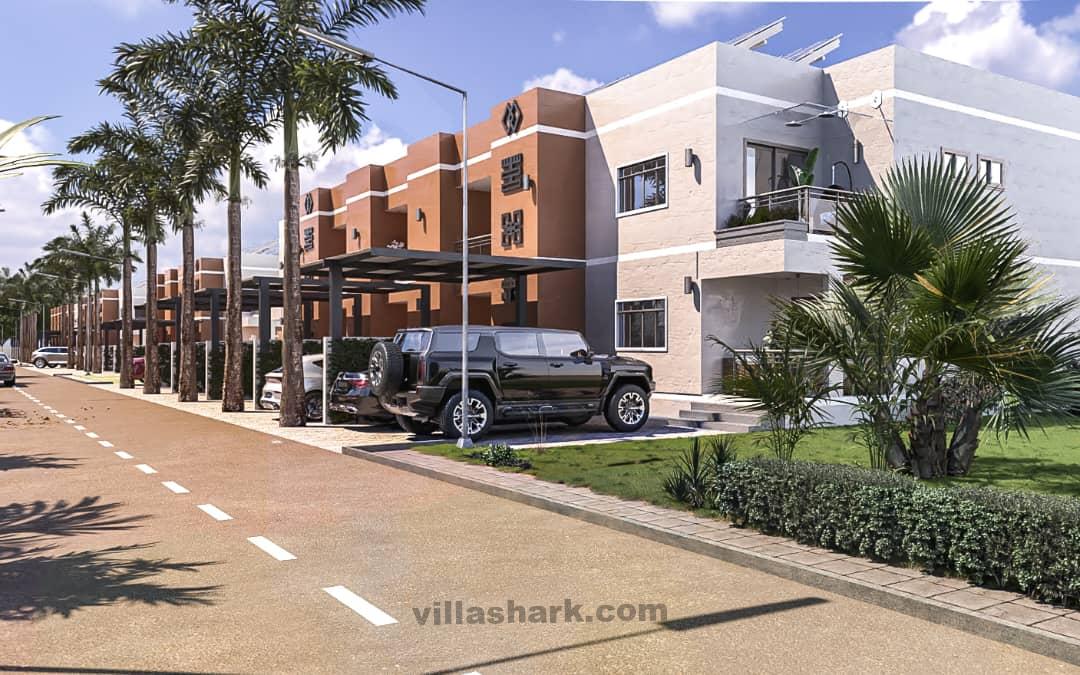
Are you a foreigner considering investing in Ghana’s real estate market? Or are you African diaspora planning to buy your dream home in Accra, Ghana? We would love to connect and serve you. Buying your dream home in a new development project by a real estate developer gives you flexibility with regard to payment plans to choose from. You don’t have to go through all that stress to get building permits and regulations checked. We have done all the hard work. Your only job is to own it by reserving your home now. Get in touch with us today, tomorrow might be too late.

